



Architecture 101: 5 Skills You Must Have to Be a Successful Architect

The five skills you need to become a successful architect are creative vision, technical proficiency, project management, strong communication, and attention to detail. These skills help you design spaces that are functional, code-compliant, and visually appealing.
Mastering these core skills is essential to succeeding, whether you're an aspiring architect, a newcomer looking to upgrade, or you’re just starting a career in the commercial construction industry.
Success also depends on making smart product and material choices. Details like access doors may seem small, but they help protect the design, support maintenance access, and keep building systems easy to service.
With that in mind, let's explore the five crucial skills every architect needs and highlight an access door model that stands out as a top pick among Canadian architects.
What Skills Do Architects Need to Succeed?
As mentioned, architects need a mix of design, technical, coordination, and communication skills to succeed. As an architect, you’re not only creating a building's appearance but also ensuring it functions properly and meets project requirements.
As a result, the most important skills you should possess include:
- Creative vision and innovation
- Technical proficiency
- Project management
- Strong communication skills
- Attention to detail
Let’s look at each skill in detail.
1. Creative Vision and Innovation
Creative vision helps you design spaces that are functional, attractive, and suited to the client’s needs. As an architect, you need to think beyond standard layouts and find solutions that improve how people use and experience a building.
In Canada, you can draw inspiration from many settings, from Toronto’s modern skyline to Quebec City’s historic character. Each project gives you a chance to balance creativity with context, climate, budget, and building use.
To strengthen your creative skills, you can:
- Study different architectural styles.
- Follow current design trends.
- Review successful commercial projects.
- Explore new materials and building solutions.
- Use brainstorming sessions to solve design challenges.
2. Technical Proficiency
Technical proficiency lets you turn design concepts into accurate building plans. It also helps you understand the tools, materials, systems, and construction methods that bring a project to life.
This means you need to learn computer-aided design (CAD), building information modelling (BIM), construction detailing, and structural coordination. These skills will give you a strong technical foundation to help you create drawings and specifications that contractors can follow with fewer delays or conflicts.
If you’re a Canadian architect, it’s also important to understand local building codes, accessibility requirements, and project approval processes. This will help your designs meet safety, performance, and legal standards.
3. Project Management
Project management helps you keep architectural work organized from concept to completion. As an architect, you’ll often be coordinating with clients, contractors, consultants, suppliers, and approval teams.
As a result, strong project management skills will help you:
- Track timelines and deliverables.
- Manage budgets and project expectations.
- Coordinate design changes.
- Reduce delays and miscommunication.
- Keep construction aligned with the approved design.
In commercial construction, projects often involve multiple teams and strict schedules. When you manage the process well, you help keep the project moving and reduce costly mistakes.
4. Strong Communication Skills
Strong communication helps you explain design ideas clearly and keep every stakeholder aligned. You need to present concepts, answer technical questions, and guide discussions with clients, contractors, and consultants.
Good communication also helps prevent misunderstandings during design and construction. When your drawings, notes, presentations, and conversations are clear, the project team can make better decisions.
If you’re a new architect in Canada, you can build communication skills by joining professional groups like the Royal Architectural Institute of Canada (RAIC) or attending industry conferences and workshops.
5. Attention to Detail
Attention to detail helps you protect the quality, safety, and function of every project. In architecture, even small decisions can affect installation, maintenance, accessibility, and the final appearance of a space.
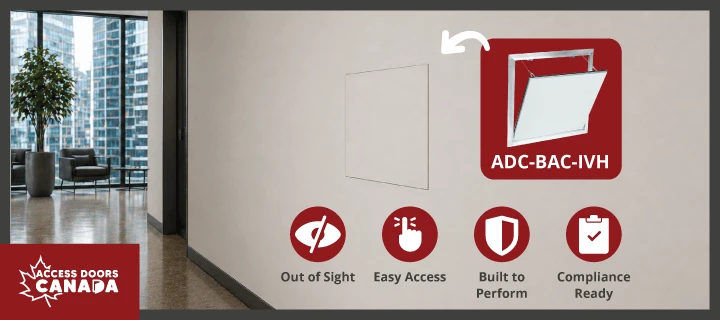
Access doors are a good example. They allow service teams to reach plumbing, electrical, mechanical, or HVAC systems without damaging finished walls or ceilings. Choosing the right access door helps maintain both function and design quality.
For projects requiring reliable access doors and panels, Access Doors Canada provides standard and custom access solutions. Request a quote today and let us support your next project.
How Do Access Doors Support Better Architectural Design?
Access doors support better architectural design by giving maintenance teams convenient access to concealed building systems without disrupting the finished space. They help you preserve clean walls, ceilings, and service areas while keeping key systems reachable.
In commercial buildings, access doors are commonly used for:
- Plumbing access
- Electrical access
- HVAC system access
- Mechanical service areas
- Ceiling and wall maintenance points
When specified early, access doors can reduce rework, protect finishes, and help contractors plan service points more accurately. They also support long-term building maintenance, which is important for owners, facility managers, and occupants.
Why Is the ADC-BAC-UAP Flush Universal Access Door with Exposed Flange a Top Pick for Canadian Architects?
The ADC-BAC-UAP Flush Universal Access Door with Exposed Flange is a top pick for Canadian architects because it offers a clean access solution for walls and ceilings. It’s designed for projects that need reliable access without taking attention away from the surrounding finish.
This general-purpose access panel works well in commercial construction because it offers a flush appearance and simple integration into drywall surfaces. Its exposed flange supports a neat installation, while the concealed hinge helps maintain a cleaner finished look.
The ADC-BAC-UAP is also durable, versatile, and easy to install. For architects, this means it can support both design intent and practical maintenance needs across a wide range of Canadian building projects.
Frequently Asked Questions on Universal Access Doors
1. What are universal access doors?
Universal access doors are wall or ceiling panels that provide access to concealed building systems. They allow maintenance teams to reach plumbing, electrical, mechanical, or HVAC components while keeping the finished surface clean and intact.
2. What are universal access doors used for?
Universal access doors are used for inspections, maintenance, and repairs in residential and commercial buildings. They help service teams access hidden systems without cutting into finished walls or ceilings.
3. What sizes and configurations do universal access doors come in?
Universal access doors come in many standard and custom sizes. They may be flush- or surface-mounted and can include various materials, latch options, and performance features, depending on project needs.
Why Now Is the Best Time to Get Started
Now is the right time to build your architecture skills because the industry continues to demand professionals who can combine design thinking with technical accuracy and practical coordination. The stronger your foundation, the better prepared you are to contribute to complex projects.
Focus on the skills that affect both design quality and project delivery. These include creativity, technical knowledge, project management, communication, and attention to detail.
You should also pay attention to the product and material choices that support your designs. Reliable access solutions, like the ADC-BAC-UAP, help make buildings easier to maintain while protecting the appearance and performance of finished spaces.
If you have questions about access doors or need specifications for our products, call us at +1-888-327-5471. We’re here to help!


